
How to Perform Umrah — Complete Guide for Bangladeshi Pilgrims
Step-by-step rituals, duas, Nusuk permit guide, and everything specific to traveling from Bangladesh. Updated June 2026.
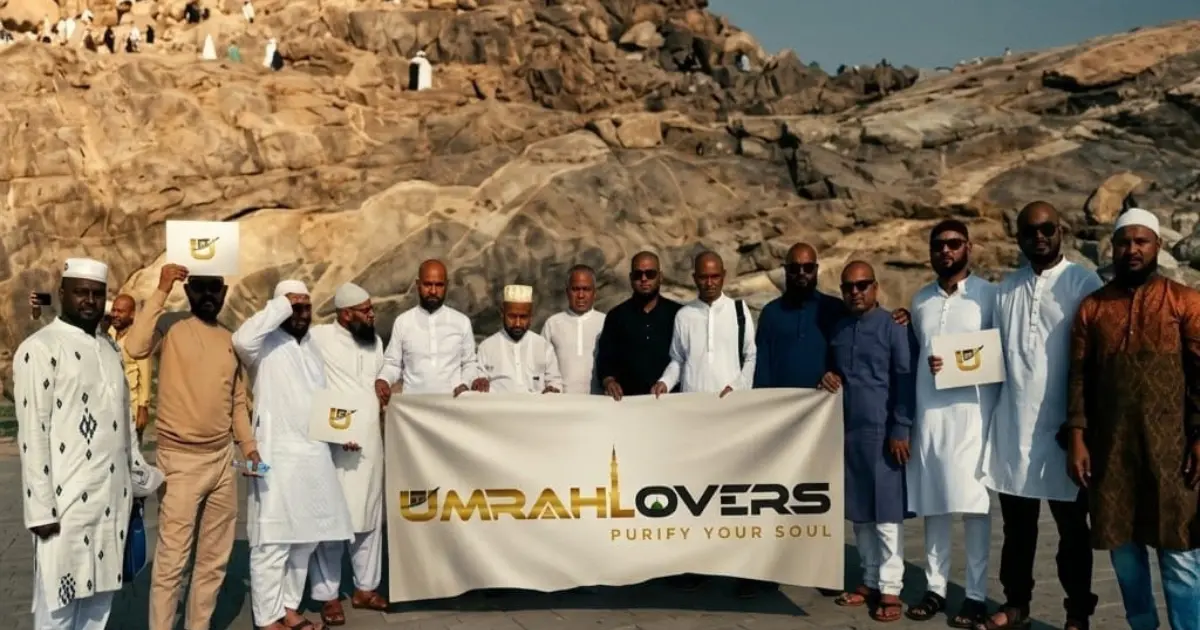
- IATA Accredited
- HAAB Member
- Office in Mecca, Saudi Arabia
- 5.0 ★ Google · Top Rated 2026
- Visa in 1–3 Working Days
- 1,000+ pilgrims served
- Licensed & Registered Bangladesh
What Do I Need to Do Before Leaving Bangladesh for Umrah?
Before you board your flight from Hazrat Shahjalal International Airport in Dhaka, Osmani International Airport in Sylhet, or Shah Amanat International Airport in Chittagong, there are essential steps specific to 2026 that every Bangladeshi pilgrim must complete.
Complete biometric enrollment via the Saudi Visa Bio app
Bangladesh is among five countries for which Saudi Arabia requires mandatory biometric registration before an Umrah e-visa can be issued. Download the Saudi Visa Bio app from Google Play Store or Apple App Store. You will scan your passport, take a facial photograph on a plain white background, and scan all ten fingerprints through your phone's camera. The process takes approximately 10 minutes. Complete this before your agency can lodge your visa application.
Register on the Nusuk app — mandatory for all pilgrims in 2026
In 2026, a valid Umrah visa is no longer sufficient to enter Masjid al-Haram. Every pilgrim must also hold a Nusuk-issued digital permit — a QR code scanned at the Haram gates. Without this, you will be turned away even with a valid visa. Download the Nusuk app (available in English, Arabic, Urdu, and other languages) from Google Play or App Store. Register using your visa number and passport number. UmrahLovers guides every pilgrim through Nusuk registration as part of the pre-departure briefing.
Get your Meningitis ACWY vaccination
The Meningococcal Meningitis (ACWY) vaccine is mandatory for all Bangladeshi Umrah pilgrims aged one year and above. The conjugate MenACWY vaccine must be administered at least 10 days before arrival in Saudi Arabia. The certificate is valid for five years (three years for the polysaccharide vaccine). Without this certificate, UmrahLovers cannot lodge your visa application.
Visit neighbours, family, and your imam for farewell duas
In 2026, a valid Umrah visa is no longer sufficient to enter Masjid al-Haram. Every pilgrim must also hold a Nusuk-issued digital permit — a QR code scanned at the Haram gates. Without this, you will be turned away even with a valid visa. Download the Nusuk app (available in English, Arabic, Urdu, and other languages) from Google Play or App Store. Register using your visa number and passport number. UmrahLovers guides every pilgrim through Nusuk registration as part of the pre-departure briefing.
Prepare your physical body — শারীরিক প্রস্তুতি
Umrah involves walking approximately 7 kilometres: 3.5 kilometres for Tawaf (at the outer ring of the Mataf) and 3.15 kilometres for Sa'i between Safa and Marwah. This is before any additional walking from the hotel to the Haram and between prayers. Begin a daily walking routine at least 3 to 4 weeks before departure. Comfortable, flat, easy-to-remove shoes are essential — you will remove them at every mosque entrance.
Learn the Umrah rituals before you travel — আগে শিখুন, পরে করুন
Many first-time Bangladeshi pilgrims arrive at Masjid al-Haram uncertain of exactly what to do at each stage of Umrah. The Haram during peak seasons is too crowded and too overwhelming to learn the rituals for the first time. UmrahLovers' pre-departure briefing covers every ritual step in Bengali, including the supplications (duas) for each stage. We strongly recommend attending this briefing — it transforms a confusing experience into a confident and spiritually focused one.
What Is the Miqat for Bangladeshi Pilgrims Flying from Dhaka?
Bangladeshi pilgrims flying from Dhaka to Jeddah cross the Miqat of Qarn al-Manazil (also called As-Sail al-Kabeer) while in the air. The airline captain typically announces when the flight is approaching the Miqat boundary. Pilgrims flying from Dhaka to Madinah cross the Miqat of Dhul Hulayfah (Abyar Ali), the designated boundary for those arriving from the Madinah direction.
You must be in a state of Ihram before crossing the Miqat boundary — not after. If flying from Dhaka to Jeddah, wear your Ihram (for men) or prepare your intention (for women) on the flight before the captain’s Miqat announcement. Many Bangladeshi pilgrims prefer to change into Ihram at Dhaka airport or in the aircraft before takeoff to avoid rushing during the flight. Performing ghusl (ritual bath) at home in Dhaka before traveling to the airport is the recommended Sunnah approach.
Departure Route |
Miqat |
When to enter Ihram |
Note |
|---|---|---|---|
Dhaka to Jeddah (direct)
|
Qarn al-Manazil (As-Sail al-Kabeer)
|
On the flight before the Miqat announcement. Typically 1 to 2 hours before landing.
|
Listen for the captain's Miqat announcement. Sit in your seat and make niyyah when the announcement comes.
|
Dhaka to Madinah (then Makkah)
|
Dhul Hulayfah (Abyar Ali / Masjid Miqat)
|
At Masjid Miqat in Madinah before traveling to Makkah. Do not enter Ihram on the Dhaka-Madinah flight.
|
You will spend days in Madinah first. Enter Ihram at Masjid Miqat before your car or bus departs for Makkah.
|
Dhaka via Sylhet or Chittagong
|
Same as Dhaka-Jeddah route
|
On the connecting or direct flight before the Miqat announcement.
|
Confirm with UmrahLovers before departure which Miqat applies to your specific flight routing.
|
How to Perform Umrah Step by Step — ধাপে ধাপে উমরাহর সম্পূর্ণ নির্দেশিকা
The session covers: the four mandatory Umrah rituals in order (Ihram, Tawaf, Sa’i, Halq/Taqsir); the correct niyyah and Talbiyah; mandatory duas for each stage; Ihram prohibitions for men and women separately; Miqat rules for Bangladeshi flights; the Nusuk app registration and permit booking; Saudi Visa Bio biometric app; practical guidance for the Haram; and a Q&A session where pilgrims ask specific questions.
ধাপ ১: IHRAM — ইহরামের অবস্থায় প্রবেশ করুন
Ihram is both a physical state and a spiritual intention. It begins the moment you make your niyyah (intention) and recite the Talbiyah. Once in Ihram, specific actions become prohibited until Umrah is complete.
Before entering Ihram — প্রস্তুতি
Perform ghusl (full ritual bath) — গোসল করুন
Cut nails and trim body hair (armpit and below the navel) — নখ কাটুন, শরীরের অবাঞ্ছিত চুল পরিষ্কার করুন
Use unscented soap only — সুগন্ধিবিহীন সাবান ব্যবহার করুন
Men: Apply no perfume or cologne — পুরুষদের আতর বা পারফিউম ব্যবহার করা যাবে না
Women: Apply no perfume but may use other scented products before Ihram, not after — মহিলারা ইহরামের আগে সুগন্ধি ব্যবহার করতে পারবেন, পরে নয়
পুরুষদের জন্য Ihram — For Men
Men wear two plain, white, unstitched sheets of cloth: the izar (ইজার — lower garment wrapping around the waist) and the rida (রিদা — upper garment draped over the left shoulder, leaving the right shoulder uncovered during Tawaf for Idtiba). Wear open-toed sandals that expose the ankles and the heel. Do not wear stitched garments, sewn shoes, gloves, or cover the head.
মহিলাদের জন্য Ihram — For Women
Women wear their normal modest clothing — typically an abaya and hijab. There is no specific Ihram garment for women. The face and both hands must remain uncovered during all Umrah rituals (Tawaf and Sa’i). Women in a state of menstruation (hayd) or post-natal bleeding (nifas) may not perform Tawaf — they must wait until the bleeding stops before performing the Tawaf.
Making Niyyah (Intention) — নিয়্যত করুন
When approaching the Miqat boundary (or at the Miqat for those coming via Madinah), make your intention verbally:
Niyyah for Umrah: “Labbayk Allāhumma bi Umrah” — লাব্বাইক আল্লাহুম্মা বি উমরাহ
Meaning (অর্থ): O Allah, I respond to Your call by performing Umrah — হে আল্লাহ, আমি উমরাহ পালনের মাধ্যমে আপনার ডাকে সাড়া দিচ্ছি।
Reciting the Talbiyah — তালবিয়া পাঠ করুন (MANDATORY)
ইহরামের পরে একবার হলেও তালবিয়া পাঠ না করলে উমরাহ শুদ্ধ হবে না
You must recite the Talbiyah at least once after making your niyyah. If you fail to do so, your Umrah is invalid. Continue reciting it frequently until you begin Tawaf.
Talbiyah (Arabic): لَبَّيْكَ اللَّهُمَّ لَبَّيْكَ، لَبَّيْكَ لاَ شَرِيكَ لَكَ لَبَّيْكَ، إِنَّ الْحَمْدَ وَالنِّعْمَةَ لَكَ وَالْمُلْكَ، لاَ شَرِيكَ لَكَ
Transliteration: Labbayk Allāhumma labbayk. Labbayka lā sharīka laka labbayk. Innal ḥamda wan-ni’mata, laka wal-mulk. Lā sharīka lak.
অর্থ: হে আল্লাহ, আমি হাজির। আমি হাজির, আপনার কোনো শরিক নেই। নিশ্চয়ই সমস্ত প্রশংসা, নিয়ামত ও সার্বভৌমত্ব আপনার। আপনার কোনো শরিক নেই।
Ihram Prohibitions — ইহরামে যা করা যাবে না
Cutting hair or nails — চুল ও নখ কাটা যাবে না
Using perfume or scented products — সুগন্ধি ব্যবহার করা যাবে না
Marital relations — স্বামী-স্ত্রীর মিলন নিষিদ্ধ
Hunting animals — পশু শিকার করা নিষিদ্ধ
Men: Covering the head — পুরুষদের মাথা ঢাকা যাবে না
Men: Wearing stitched or sewn garments — পুরুষদের সেলাই করা কাপড় পরা যাবে না
Uprooting plants or vegetation in the Haram
Fighting or using obscene language — ঝগড়া ও অশ্লীল কথা বলা নিষিদ্ধ
ধাপ ২: TAWAF — তওয়াফ করুন (কাবার চারদিকে ৭ বার প্রদক্ষিণ)
Tawaf is seven counter-clockwise circuits around the Kaaba, the sacred cube-shaped structure at the centre of Masjid al-Haram. Each circuit begins and ends at the Black Stone (Hajar al-Aswad). Tawaf is an act of worship unlike any other — you are physically circling the house of Allah.
Before beginning Tawaf — তওয়াফ শুরুর আগে
Be in a state of wudhu (ablution) — তওয়াফে ওজু থাকা ফরজ। ওজু ছাড়া তওয়াফ হবে না।
Men: Perform Idtiba — expose the right shoulder by draping the rida under the right armpit (only during Umrah Tawaf, not during obligatory prayers) — পুরুষরা ডান কাঁধ খোলা রাখবেন (ইদতিবা)
Enter Masjid al-Haram with the right foot first, reciting: Bismillah, was-salatu was-salaamu ala Rasulillah — বিসমিল্লাহ... বলে ডান পা দিয়ে প্রবেশ করুন
Proceed to the Mataf (the Tawaf area around the Kaaba)
Face the Black Stone (Hajar al-Aswad) to your right as you begin
Starting each circuit (Shawt) — প্রতিটি চক্র শুরু
At the Black Stone, make Istilam: touch the Black Stone if possible (very crowded — raise your right hand and point toward it and say ‘Bismillah, Allahu Akbar’ if you cannot reach it). This marks the start of each of the 7 circuits.
Start of each circuit: ‘Bismillahi Wallahu Akbar’ — বিসমিল্লাহি ওয়াল্লাহু আকবার
পুরুষদের জন্য — For Men
Men perform Raml (quick, short steps with the chest forward) in the first three circuits only. This is Sunnah, not obligatory. In circuits 4, 5, 6, and 7, walk at normal pace. Women do not perform Raml — women walk at a normal pace throughout all 7 circuits.
মহিলাদের জন্য — For Women
Women perform all 7 Tawaf circuits at a normal, dignified walking pace. Women do not perform Raml (brisk walking) and do not uncover the right shoulder. Women performing Tawaf during menstruation (hayd) or post-natal bleeding (nifas): Tawaf is not permitted. Wait for the bleeding to stop completely, then perform ghusl, and perform Tawaf.
During Tawaf — তওয়াফ চলাকালীন
There is no prescribed du’a for Tawaf circuits — make your own heartfelt supplications to Allah in any language. This is your personal time with Allah. Ask for what you need, for your family, for your marriage, for your children, for your parents, for this life and the next. The Talbiyah is stopped when you begin Tawaf.
Between Rukn al-Yamani (the Yemeni Corner) and the Black Stone in each circuit, recite: ‘Rabbana atina fid-dunya hasanatan wa fil-akhirati hasanatan wa qina adhaban-nar’ — আমাদের প্রভু, আমাদের দুনিয়া ও আখিরাতে কল্যাণ দান করুন এবং জাহান্নামের আযাব থেকে রক্ষা করুন।
After completing 7 circuits — ৭ চক্র সম্পূর্ণ হলে
After the 7th circuit, proceed to Maqam Ibrahim (the Station of Prophet Ibrahim AS — the stone on which Ibrahim AS stood while building the Kaaba). Recite: ‘Wattakhidhu min maqami Ibrahima musalla’ and offer two Rak’ahs of Salah behind Maqam Ibrahim. If the area is crowded, perform these two Rak’ahs anywhere in Masjid al-Haram.
Then proceed to the Zamzam water area (inside Masjid al-Haram). Drink Zamzam water standing, facing the Qibla, with the intention and dua for whatever you need. The Prophet Muhammad (PBUH) said Zamzam water is for whatever it is drunk for (Sahih Ibn Majah). Drink well — this is one of the most blessed moments of your Umrah.
Tawaf on the upper floors — উপরের তলায় তওয়াফ করলে কি হবে?
Tawaf on the upper floors of Masjid al-Haram is completely valid and carries the same reward as Tawaf at ground level. The upper floor Mataf has a dedicated wheelchair-accessible circular path and is significantly less crowded than the ground floor, particularly during peak hours. If you find the ground floor overwhelmingly crowded, performing Tawaf on the upper floor is the right choice.
ধাপ ৩: SA'I — সাফা ও মারওয়ার মধ্যে ৭ বার হাঁটুন
Sa’i is the walking of 7 circuits between the hills of Safa and Marwah inside Masjid al-Haram. It commemorates the faith of Hajar (AS), wife of Ibrahim (AS), who ran between these hills searching for water for her infant son Ismail (AS). Each walk from Safa to Marwah is one circuit. Each walk from Marwah back to Safa is another. Sa’i begins at Safa and ends at Marwah.
How to perform Sa'i — সাঈর নিয়ম
After completing Tawaf and the two Rak’ahs at Maqam Ibrahim and drinking Zamzam water, proceed to the Mas’a (the Sa’i corridor connecting Safa and Marwah). Sa’i is performed after Tawaf — you may remain in wudhu but wudhu is not obligatory for Sa’i (unlike Tawaf).
1. At Safa: Face the direction of the Kaaba. Recite: 'Innassafa wal-marwata min sha'airillah' (once only at the beginning of the first circuit). Then make dua with hands raised as you would in prayer.
2. Walk (or roll, in a wheelchair) from Safa to Marwah. This is one circuit (shawt). Count: 1.
3. Between the green marker lights (shown as green fluorescent lights overhead): Men are encouraged to walk briskly (this section commemorates where Hajar AS ran). Women walk at a normal pace throughout — the brisk walking between green markers is Sunnah only for men.
4. At Marwah: Face the direction of the Kaaba. Make dua. This completes circuit 1.
5. Return from Marwah to Safa — this is circuit 2. Continue until you have completed 7 circuits total. Sa'i ends at Marwah.
6. Count circuits carefully: Safa to Marwah = odd circuits (1, 3, 5, 7). Marwah to Safa = even circuits (2, 4, 6). You end at Marwah on circuit 7.
মহিলাদের জন্য সাঈ — Sa'i for Women
Women perform Sa’i exactly as men do, except they do not walk briskly between the green markers. Women walk at a dignified, normal pace for all 7 circuits throughout. There is no restriction on Sa’i during menstruation — unlike Tawaf, Sa’i is permitted during hayd. However, in practice, most scholars advise women to complete both Tawaf and Sa’i consecutively when in a clean state.
সাঈ চলাকালে দোয়া — Dua during Sa'i
There is no prescribed du’a for Sa’i. Make your personal supplications throughout. Between Safa and Marwah, think of Hajar (AS) and her unwavering trust in Allah. Ask Allah for the same quality of trust and patience in your own life and in your relationships.
ধাপ ৪: HALQ বা TAQSIR — চুল কাটা বা মাথা মুণ্ডন
The final step of Umrah. This step releases you from the state of Ihram. After Sa’i ends at Marwah, proceed directly to perform Halq (head shaving for men) or Taqsir (trimming of hair for men or women). Once complete, Umrah is finished. All Ihram prohibitions are lifted.
পুরুষদের জন্য — For Men
Men either shave the entire head (Halq — মাথা মুণ্ডন) or trim the hair evenly by at least one inch (Taqsir — চুল ছাঁটা). Shaving is more virtuous — the Prophet Muhammad (PBUH) made dua three times for those who shave and once for those who trim. Even men with very short or no hair must pass a razor over the head to complete this step.
Licensed barber shops (Hallaqs) operate around Masjid al-Haram and close only during Salah times. The cost is typically SAR 5 to 20 (BDT 150 to 600). You may also shave your own hair or a companion may shave it for you.
মহিলাদের জন্য — For Women
Women trim approximately the length of a fingertip (about one inch, or 2 to 3 centimetres) from the ends of their hair — চুলের আগা থেকে এক আঙুল পরিমাণ কেটে ফেলতে হবে। Women do not shave their heads. The trimming does not need to be done professionally — a woman may trim her own hair or ask a female companion.
উমরাহ সম্পন্ন — Alhamdulillah, Your Umrah Is Complete
Once you have performed Halq or Taqsir, your Umrah is complete. All Ihram restrictions are lifted. You may change into your regular clothes, use fragrance, and resume all normal activities. If you wish to perform another Umrah, you must return to the boundary of the Haram (Masjid al-Tan’im, known as Masjid Aisha, approximately 7 km from the Kaaba) to re-enter Ihram before performing a second Umrah.
What Do Women Need to Know About Performing Umrah from Bangladesh?
Mahram Requirement — বর্তমান নিয়ম (Updated 2025-2026)
Under Saudi Arabia’s Vision 2030 reforms, women aged 18 and above may now perform Umrah without a male mahram (husband, father, brother, or son), provided they travel through a licensed Umrah operator such as UmrahLovers. This rule change was implemented in 2025. The old rule requiring women under 45 to travel with a mahram is no longer in force.
Important distinction: The Saudi government’s legal permission does not settle the Islamic scholarly debate. Many scholars still recommend women travel with a mahram or as part of a women-only group for additional spiritual peace. UmrahLovers recommends joining an organised women-only group from Bangladesh rather than traveling as a lone female in a mixed group. Consult your trusted imam for religious guidance on your specific situation.
Dress code at Masjid al-Haram and Masjid an-Nabawi — পোশাক
Abaya: Full-length, loose outer garment covering the body — আবায়া পরতে হবে (any modest colour, not only black)
Hijab: Head covering — হিজাব পরতে হবে
Face and hands must remain uncovered during Tawaf and Sa'i — তওয়াফ ও সাঈ চলাকালে মুখমণ্ডল ও হাত খোলা রাখতে হবে
Niqab (face veil): Not required under Saudi regulations, but permitted
Comfortable flat walking shoes, easy to remove at mosque entrances
হায়েয ও নিফাসে উমরাহ — Umrah during menstruation
Tawaf: NOT permitted during hayd or nifas (post-natal bleeding). Tawaf is a form of salah and requires tahara (purity). Wait until bleeding stops, perform ghusl, then perform Tawaf.
Sa'i: Permitted during hayd and nifas. If the bleeding begins after Tawaf but before Sa'i, she may proceed with Sa'i.
Ihram: Entering the state of Ihram and reciting the Talbiyah are permitted during hayd and nifas.
Ziyarah visits: Permitted. She may visit Islamic sites in Makkah and Madinah.
Prayer and dhikr: She may make du'a, dhikr, and recite Quran (scholarly opinion varies on Quran recitation during hayd — seek guidance from your imam).
Rawdah visit in Madinah — মহিলাদের রওজা জিয়ারাত
The Rawdah al-Sharif (the blessed area between the Prophet Muhammad’s PBUH grave and his pulpit at Masjid an-Nabawi) has separate visiting hours for men and women. Visiting requires a pre-booked slot through the Nusuk app. Book your slot before arriving in Madinah. UmrahLovers provides step-by-step Nusuk Rawdah booking guidance before your departure from Bangladesh.
Nusuk Rawdah booking for women: Open the Nusuk app, select ‘Prophet’s Mosque Services’, select ‘Booking of Permit for Noble Rawdah (Women)’, choose your date and time slot. A QR code permit is issued. Show the QR code at the designated Rawdah entrance gate for women. Arrive 30 minutes before your slot. Do not bring large bags inside the queue.
How to Perform Umrah with Children and Infants from Bangladesh?
Can children and babies perform Umrah?
Yes. Children of any age, including newborns and infants, can perform Umrah. Saudi Arabia sets no minimum age. All four major schools of Islamic jurisprudence confirm a child’s Umrah is valid and rewarded. However, a child’s Umrah before puberty does not fulfil their adult obligation — they must perform Umrah again after reaching the age of religious accountability (bulugh).
The hadith for permissibility: A woman lifted up her infant child to the Prophet (PBUH) and asked ‘Messenger of Allah, will this child be credited with performing Hajj?’ The Prophet replied: ‘Yes, and you will receive a reward too.’ (Sahih Muslim). Scholars extend this ruling to Umrah by analogy.
What does Ihram look like for children?
Boys (mumayyiz — age 7 and above, able to understand): Wear the two-piece white Ihram garments, same as men. The parent or guardian makes the niyyah on behalf of the boy and the boy repeats the Talbiyah.
Girls (mumayyiz): Wear their normal modest clothing. No special Ihram garment. The parent or guardian makes the niyyah on the girl's behalf.
Infants and toddlers (non-mumayyiz, under age 7): Do not need to wear Ihram garments — the parent makes the intention on the child's behalf. Dress the child in comfortable, modest white clothing to reflect the spirit of Ihram.
Making niyyah for a child: The parent says 'Labbayk Allāhumma bi Umratin 'an [child's name]' — লাব্বাইক আল্লাহুম্মা বি উমরাতিন 'আন [শিশুর নাম]।
If a child unintentionally breaks an Ihram rule (pulls off head covering, etc.): No penalty. If they break a rule intentionally, the parent/guardian performs fidyah (expiation) on the child's behalf.
Stroller rules at Masjid al-Haram — ট্রলি এবং স্ট্রোলার সম্পর্কে
Location |
Stroller allowed? |
What to use instead |
|---|---|---|
Mataf — the Tawaf area around the Kaaba (ground level)
|
NO — strollers are banned in the Mataf due to crowd safety
|
Baby carrier or sling (recommended). Wheelchair rental is available and can be used as alternative.
|
Mas'a — the Sa'i corridor between Safa and Marwah
|
YES — strollers are permitted in designated Sa'i areas
|
Strollers work well here. Sa'i corridor has gentle gradients and ramps.
|
Outer courtyards and corridors of Masjid al-Haram
|
YES — strollers permitted in outer areas
|
Use strollers in outer areas for resting and moving between sections.
|
Masjid an-Nabawi in Madinah
|
NO inside the mosque. YES in the outer courtyard.
|
Baby carrier inside. Stroller in the courtyard.
|
Child safety wristbands — শিশুর নিরাপত্তা ব্রেসলেট (2026 system)
বিশেষ তথ্য: হারামে শিশু হারিয়ে গেলে কী করবেন — Child safety system at Masjid al-Haram
Saudi authorities have installed self-service wristband machines at key entrances of Masjid al-Haram: King Abdulaziz Gate 1 and King Fahd Gate 79. Enter your child’s name and your contact phone number. The machine prints a wristband that your child wears on the wrist. If the child becomes separated from you, mosque security or volunteers can immediately call your number. Also available in Madinah at service desks near Masjid an-Nabawi during high seasons. Use this system every visit — it has reunited many families.
Children's Nursery Centers at the Haram — শিশু যত্ন কেন্দ্র
The Saudi General Authority for the Care of the Two Holy Mosques operates Children’s Nursery Centers:
Masjid al-Haram (Makkah)
Located near the Al Haram Emergency Hospital inside the third Saudi expansion of the Grand Mosque. Accepts girls aged 1 to 10 years and boys aged 1 to 8 years. Trained childcare staff. Meals provided. Rest areas and educational entertainment. Interactive models of the holy mosques. Service is free of charge for limited hours.
Masjid an-Nabawi (Madinah)
Located near Gate 365 and Gate 339 of Masjid an-Nabawi. Similar organised childcare support. Operates longer hours during Ramadan and Dhul Hijjah.
This service allows parents to leave their child safely for a limited period to perform prayers or rituals without the child being under direct supervision. During busy seasons (Ramadan, Dhul Hijjah), the centres operate 24 hours. Confirm current timings on arrival.
Age-by-age guide to Umrah with children — বয়স অনুযায়ী গাইড
Infants (0 to 12 months) — মা-বাবাই সব করেন
Parents perform the full Umrah while carrying the infant. Use a soft baby carrier for Tawaf (mandatory — strollers banned in Mataf). Infant is carried during all circuits. Assign one parent to hold the infant while the other performs Tawaf. Alternate if possible. Bring formula, breast milk, or expressed milk. Zamzam water is freely available throughout the Haram.
Toddlers (1 to 3 years) — ক্লান্তির আশঙ্কা বেশি
Physically demanding for parents. Children this age tire quickly and have short attention spans. Carry them for most of Tawaf. Sa'i stroller can help. Schedule Tawaf after the child's nap time. The children's nursery can provide a break for parents.
Young children (4 to 7 years) — সাথে রাখুন সবসময়
May walk shorter distances. Likely need to be carried for much of Tawaf. Explain the story of the Kaaba and Ibrahim (AS) before travel — children this age respond well to stories. Use the wristband machine at every Haram visit. Dress in bright, distinctive colours.
Older children (7 to 12 years) — ওরা নিজেরা পারতে পারে
Can often complete Tawaf and Sa'i with parental supervision. Perform at off-peak hours. Teach them the Talbiyah before departure. No requirement to perform the brisk running between green markers in Sa'i (even adults, this is Sunnah only). Frequent hydration and rest breaks essential.
Teenagers (12+) — প্রায় বড়দের মতো
Perform Umrah essentially as adults. Enter their own Ihram. Make their own niyyah. Complete all rituals independently with parental guidance.
How to Use the Nusuk App for Umrah from Bangladesh — নাসুক অ্যাপ কিভাবে ব্যবহার করবেন?
২০২৬ সালে নাসুক পারমিট ছাড়া মসজিদুল হারামে ঢোকা যাবে না
In 2026, officials at every Masjid al-Haram gate scan a Nusuk QR code permit. A valid Umrah visa alone is not sufficient. Without your Nusuk permit QR code, you will be turned away at the gate. This applies to all international pilgrims including Bangladeshis.
Step 1
Download the Nusuk app from Google Play Store or Apple App Store. Search for 'Nusuk نسك' by Ministry of Hajj and Umrah. Always download from official app stores only — avoid third-party APK files.
Step 2
Wait 24 to 48 hours after your visa is issued before registering — your visa data needs to sync to the Saudi system first.
Step 3
Register: Select 'Register New User', then select 'Visitor'. Enter your passport number, visa number, date of birth, mobile number, and email. Verify via OTP sent to your mobile.
Step 4
Link your visa: Enter your visa number and passport number to activate permit booking. Do this as soon as your visa is issued.
Step 5
Book your Umrah permit: Inside the app, go to Permits, then select 'Umrah Permit'. Choose your preferred date and time slot. Green slots indicate lighter crowds. Save your QR code offline as a screenshot as backup.
Step 6
Book your Nusuk Rawdah permit for Madinah: Go to 'Prophet's Mosque Services', then 'Booking of Permit for Noble Rawdah'. Select Men or Women (separate options). Book your date and time. As of January 2025, the annual restriction on Rawdah visits has been removed — you can visit multiple times using the Instant Track feature.
Step 7
Nusuk works without using mobile data in Saudi Arabia: Saudi Arabia launched a zero-data access feature allowing use of the Nusuk app without consuming roaming data or needing Wi-Fi inside the Kingdom.
Rawdah slot khali na thakle kি korben? — What if no Rawdah slots are available?
Rawdah slots fill within seconds of release. Use the Instant Track feature: this refreshes every 20 minutes for pilgrims already near Masjid an-Nabawi. Open the app precisely at the :01 or :31 minute mark of each hour. Some pilgrims report that switching the app language to Arabic reveals additional available slots. Visit the Nusuk Help Desk in the courtyard of Masjid an-Nabawi for assistance.
Ziyarah Guide — Islamic Sites to Visit in Makkah and Madinah
Makkah — মক্কায় যেসব স্থান পরিদর্শন করবেন
Cave of Hira at Jabal al-Noor — হেরা গুহা
The mountain where the first revelation of the Quran was received by the Prophet Muhammad (PBUH) through the Angel Jibril (AS). The cave is approximately 270 steps from the base of the mountain. The 5-metre-wide cave holds roughly 5 people. This is where 'Iqra bismi Rabbika' (সূরা আলাক) was revealed. Not obligatory to visit but deeply moving for pilgrims who understand its significance.
Masjid al-Ji'ranah — মসজিদুল জিরানা
The mosque from which the Prophet Muhammad (PBUH) wore Ihram for his last Umrah (Umrah al-Ji'ranah). Located approximately 25 km from Makkah. Bangladeshi pilgrims wishing to perform a second Umrah during their trip can enter Ihram here — it is more virtuous than Masjid Aisha (Tan'im) for the second Ihram.
Birthplace of the Prophet Muhammad (PBUH) — রাসূলুল্লাহ সাঃ এর জন্মস্থান
Located near Suq al-Layl in central Makkah, converted to a library. The site marks where the Prophet Muhammad (PBUH) was born in 570 CE.
Jannatul Muallah — জান্নাতুল মাআলা
The cemetery where Khadijah (RA), the first wife of the Prophet (PBUH), is buried, along with other members of the Prophet's family. Visiting here and making du'a for the deceased is a deeply meaningful act.
Madinah — মদিনায় যেসব স্থান পরিদর্শন করবেন
Masjid an-Nabawi and the Roza Mubarak — মসজিদে নববী ও রওজা মোবারক
The Prophet Muhammad's (PBUH) mosque in Al Madinah Al Munawwarah. The Roza Mubarak (the Prophet's grave) is inside the mosque. Send salutations: 'Assalamu 'alayka ya Rasulallah' — হে আল্লাহর রাসূল, আপনার উপর শান্তি বর্ষিত হোক। Stand at the grave with humility and make du'a.
Masjid Quba — মসজিদে কুবা
The first mosque built in Islam — laid by the Prophet Muhammad (PBUH) when he arrived in Madinah from Makkah. The Prophet (PBUH) said: 'Offering two Rak'ahs at Masjid Quba is equal to the reward of an Umrah' (Sahih Bukhari). Do not miss offering two Rak'ahs here — this is one of the easiest and most rewarding extra acts of worship in Madinah.
Jannat al-Baqi — জান্নাতুল বাকি
The cemetery adjacent to Masjid an-Nabawi where many of the Prophet's Companions (RA), wives, and family members are buried. Visit and make du'a for the deceased: 'Assalamu 'alaikum ya ahlad-diyar minal mu'minin wal muslimin.'
Masjid al-Qiblatain — মসজিদে কিবলাতাইন
The mosque where the Qibla direction was changed from Masjid al-Aqsa in Jerusalem to the Kaaba in Makkah during the Prophet's (PBUH) lifetime, mid-prayer. The mosque of 'two Qiblas.'
The site of the Battle of Uhud — ওহুদ যুদ্ধের স্থান
The mountain and valley where the Battle of Uhud took place in 625 CE. Sayyiduna Hamzah ibn Abd al-Muttalib (RA), uncle of the Prophet (PBUH), is buried here among the Shuhada (martyrs). The Prophet (PBUH) visited Uhud regularly to send salutations to the martyrs.
Practical Umrah Tips That No Bangladeshi Umrah Guide Tells You
What to do when you first see the Kaaba — প্রথমবার কাবা দেখলে কী করবেন?
The first sight of the Kaaba is one of the most powerful moments in any Muslim’s life. Bangladeshi pilgrims who have seen it describe tears coming without warning, a loss of words, and a physical sensation of awe that no photograph or description prepares you for. This is normal — even pilgrims who have been before experience it.
What to do at that moment: Stop walking. Face the Kaaba. Raise your hands in du’a. This is one of the most accepted moments for du’a in the Islamic tradition. Ask for everything — your sins to be forgiven, your family’s wellbeing, your parents’ guidance to Jannah, your children’s future, whatever is in your heart. Do not rush to begin Tawaf immediately. Take a moment with Allah. This first du’a at the sight of the Kaaba is something you will remember for the rest of your life.
The best times for Tawaf in Makkah — সবচেয়ে ভালো সময় কোনটি?
Time |
Crowd Level |
Notes |
|---|---|---|
After Fajr (4am to 7am)
|
Lightest
|
Best time for Tawaf at any season. Cool temperature. Least crowded. Upper floor Mataf particularly good.
|
Mid-morning (9am to 11am)
|
Moderate
|
Good option. Sun has risen but pre-Dhuhr rush not yet.
|
After Dhuhr (1pm to 3pm)
|
Heavy
|
Avoid — the Haram fills for Dhuhr and remains heavy.
|
After Asr (4pm to 6pm)
|
Very heavy
|
Peak time. Before Maghrib is extremely crowded. Not recommended for first-timers.
|
After Isha (10pm to 12am)
|
Moderate
|
Good option. Cooler. Upper floor recommended.
|
Late night (12am to 3am)
|
Light to moderate
|
Second-best time after Fajr. Particularly good during Ramadan.
|
During Friday Jumu'ah
|
Extremely heavy
|
Avoid Tawaf during Friday prayers. The Haram is at maximum capacity.
|
কাবাশরীফে হাত লাগাতে পারবেন? — Touching the Kaaba Kiswa
Many Bangladeshi pilgrims want to touch the Kaaba cloth (Kiswa) or the wall of the Kaaba itself. This is permitted but not a required ritual. During peak seasons, the Mataf is so crowded that reaching the Kaaba wall is not possible for most pilgrims. Do not push or harm other pilgrims to try to touch the Kaaba. The reward of Tawaf is not enhanced by touching the Kaaba wall — it is the intention and the circuits that constitute the ritual.
The Hajar al-Aswad (Black Stone): Touching or kissing the Black Stone is Sunnah. It is embedded into the south-east corner of the Kaaba. During peak hours, this is physically impossible for most pilgrims. Simply point your right hand toward the Black Stone at the start of each Tawaf circuit and say ‘Bismillah, Allahu Akbar.’ The intention and the pointing carry the Sunnah.
Zamzam water — জমজমের পানি
Zamzam water is freely available throughout Masjid al-Haram from dispensers at floor level and from refrigerated units throughout the mosque. The Prophet Muhammad (PBUH) said Zamzam water is for whatever it is drunk for. Make a specific intention before drinking — for health, for forgiveness, for children, for your marriage, for knowledge, for whatever you need.
Taking Zamzam water home: Airlines have specific rules. Biman Bangladesh Airlines and Saudia Airlines permit one sealed 5-litre Zamzam water canister per passenger, purchased from airport-approved suppliers at Jeddah or Madinah airports. Do not bring loose Zamzam water from the mosque — it must be purchased from the official airport suppliers for the airline allowance.
What to do between prayers at the Haram — নামাজের ফাঁকে কী করবেন?
Bangladeshi pilgrims often ask what to do during the hours between prayers at Masjid al-Haram. The Haram is not only for Salah and Tawaf — it is a place where every act of ibadah carries multiplied reward. Between prayers: recite Quran (Quran recitation in the Haram carries 100,000 times the reward of recitation elsewhere according to a narration); perform nafl Tawaf; make dhikr; make personal du’a facing the Kaaba; read about the history of the Kaaba and the sites visible from the Haram; and rest so that your prayers are focused and not exhausted.
কাঁদলে কি উমরাহ ভাঙে? — Does crying invalidate anything in Umrah?
No. Crying — even uncontrollably — during Tawaf, Sa’i, or at any moment of Umrah does not invalidate any ritual. Tears of repentance and awe at the house of Allah are a mercy. Many Bangladeshi pilgrims describe crying when they first see the Kaaba, when they first touch Zamzam water, or when they send salutations at the Roza Mubarak in Madinah. These tears are not a sign of weakness. They are a sign that the heart is alive.
What Are the Most Common Mistakes During Umrah for Bangladeshi Pilgrims?
ভুল: Not completing biometric or Nusuk registration before arriving in Saudi Arabia
সংশোধন: Complete the Saudi Visa Bio app biometric enrollment as soon as your visa application is lodged. Register on Nusuk as soon as the visa is issued. Do not wait until you arrive at Jeddah airport.
ভুল: Crossing the Miqat without entering Ihram
সংশোধন: This is a serious violation. If you cross the Miqat without Ihram, you must return to the Miqat to enter Ihram before proceeding to Makkah, or a dam (expiation — typically slaughtering a sheep in Makkah) becomes obligatory. Always know which Miqat your flight crosses and be ready before the captain’s announcement.
ভুল: Forgetting to recite the Talbiyah after niyyah
সংশোধন: The Talbiyah must be recited at least once immediately after making niyyah at the Miqat. Failure to do so invalidates the Umrah. Recite it as soon as the niyyah is made.
ভুল: Wudhu breaking during Tawaf and not renewing it
সংশোধন: If wudhu breaks during Tawaf, exit the Mataf via the wheelchair lane or the nearest accessible exit, renew wudhu, and resume Tawaf from the circuit (shawt) at the point where the wudhu broke. You do not restart Tawaf from the beginning.
ভুল: Counting Tawaf circuits incorrectly
সংশোধন: Count each full circuit as you complete the Black Stone. Many pilgrims use a counter or their fingers. If uncertain, take the lower number and complete additional circuits. Seven circuits total.
ভুল: Sa'i direction error — starting at Marwah instead of Safa
সংশোধন: Sa’i always starts at Safa. The first circuit is Safa to Marwah. The last circuit (7th) ends at Marwah. Starting at Marwah would result in only 6 valid circuits — the Umrah would be incomplete.
ভুল: Men shaving only part of the head for Halq
সংশোধন: Halq (head shaving) must cover the entire head. Shaving only the back or the sides is not valid. Use a licensed barber near the Haram.
ভুল: Using perfume before Halq/Taqsir — while still in Ihram
সংশোধন: Do not apply perfume, scented soap, or any scented product until after Halq or Taqsir is complete. The Ihram state ends only after the hair cutting step.
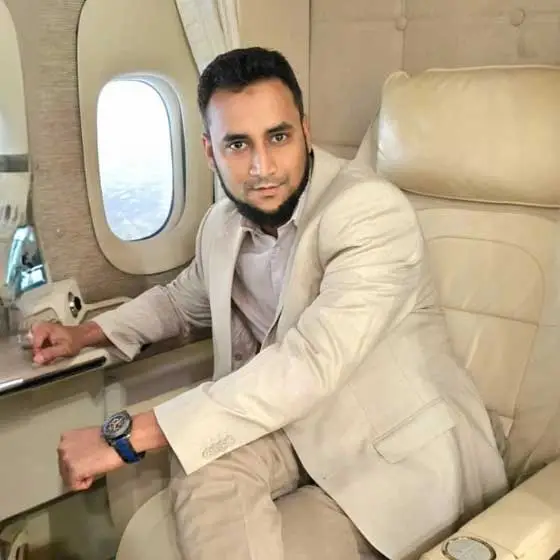
Prices Verified by Md. Nasir Uddin Rejon
Founder and CEO, UmrahLovers
All Umrah ritual guidance in this guide follows established Hanafi fiqh as practised by the majority of Bangladeshi Muslims, with notes where other schools differ on key points (Shafi’i ruling on Umrah as fard, for example). Islamic references (hadiths, Quran verses) are cited by collection. The 2026-specific information (Nusuk permit requirement, child safety wristband machines, children’s nursery centres, biometric rules) is verified from official Saudi Ministry of Hajj and Umrah sources and published June 2026.
FREEQUENTLY ASKED
How to Perform Umrah — Frequently Asked Questions (উমরাহ সম্পর্কে সাধারণ প্রশ্নাবলী)
What are the 4 steps of Umrah in order?
Umrah has four mandatory steps performed in strict sequence: (1) Ihram — entering the sacred state of intention at or before the Miqat boundary point, wearing the two-piece white cloth (men) or modest clothing (women), reciting the niyyah and Talbiyah; (2) Tawaf — seven counter-clockwise circuits around the Kaaba at Masjid al-Haram in Makkah, starting and ending at the Black Stone (Hajar al-Aswad); (3) Sa’i — seven circuits walking between the hills of Safa and Marwah; (4) Halq or Taqsir — shaving the head (men) or trimming a fingertip’s length of hair (women and men who prefer not to shave). The entire Umrah takes 3 to 6 hours.
How long does Umrah take from Bangladesh?
The flight from Dhaka to Jeddah takes approximately 5 to 6 hours direct on Biman Bangladesh Airlines or Saudia Airlines. The Umrah rituals themselves (Ihram entry, Tawaf, Sa’i, and Halq/Taqsir) take 3 to 6 hours at Masjid al-Haram depending on crowd levels. Most UmrahLovers 7-day packages from Bangladesh include 4 nights in Makkah and 2 nights in Madinah. A 10-day package includes 6 nights in Makkah and 3 nights in Madinah.
What is the Miqat for pilgrims flying from Dhaka to Jeddah?
Bangladeshi pilgrims flying from Hazrat Shahjalal International Airport in Dhaka to Jeddah cross the Miqat of Qarn al-Manazil (As-Sail al-Kabeer) while in the air, approximately 1 to 2 hours before landing in Jeddah. The airline captain announces the Miqat crossing. Male pilgrims should already be wearing their Ihram garments before this announcement. Female pilgrims should have made their intention before the announcement. Many Bangladeshi pilgrims change into Ihram at Dhaka airport before boarding.
Can a woman perform Umrah without a mahram from Bangladesh?
Under Saudi Arabia’s current rules (2025 to 2026), women aged 18 and above may perform Umrah without a male mahram provided they travel through a licensed Umrah operator such as UmrahLovers. This change was introduced under Saudi Vision 2030. The old rule requiring women under 45 to travel with a mahram is no longer in force for Umrah. The classical Islamic scholarly debate on this issue continues, and women are advised to seek guidance from their trusted imam on the religious question separately from the Saudi legal permission.
What is the Nusuk app and is it mandatory for Bangladeshi pilgrims?
Yes — the Nusuk app is mandatory for all Umrah pilgrims in 2026 including Bangladeshis. Nusuk is the official digital platform of the Saudi Ministry of Hajj and Umrah. In 2026, officials at every Masjid al-Haram gate scan a Nusuk-issued QR code permit. A valid Umrah visa alone is not sufficient to enter — you must also have a Nusuk permit. Download the Nusuk app from Google Play or App Store, register using your visa and passport numbers after visa issuance, and book your permit and Rawdah slot before traveling.
Can babies and infants perform Umrah?
Yes. Babies, infants, and children of any age can perform Umrah. Saudi Arabia sets no minimum age and there is no age restriction under Islamic law. The parent or guardian makes the niyyah on behalf of the infant, dresses the child in modest white clothing (boys in Ihram garments, girls in regular modest clothing), carries the child during Tawaf (strollers are banned in the Mataf area around the Kaaba), and uses a baby carrier. The infant’s Umrah is valid and both parent and child receive reward. A child’s Umrah before puberty does not fulfil their adult obligation.
Are strollers allowed in Masjid al-Haram?
Strollers are not allowed in the Mataf (the Tawaf area around the Kaaba) at ground level due to crowd safety. Use a baby carrier or soft sling for infants during Tawaf. Strollers are permitted in the Sa’i corridor (Mas’a) between Safa and Marwah and in the outer courtyards and corridors of Masjid al-Haram. Inside Masjid an-Nabawi in Madinah, strollers are not allowed inside the mosque but are permitted in the outer courtyard. Wheelchair rental is available inside both mosques and parents sometimes use them for older toddlers.
What dua do you read during Tawaf?
There is no single prescribed dua for the Tawaf circuits — pilgrims may make any personal supplication in any language during Tawaf. The only prescribed recitation is at the Black Stone at the start of each circuit: ‘Bismillah, Allahu Akbar.’ Between Rukn al-Yamani (the Yemeni Corner) and the Black Stone in each circuit, the recommended supplication is: ‘Rabbana atina fid-dunya hasanatan wa fil-akhirati hasanatan wa qina adhaban-nar.’ Spend the rest of each circuit in personal du’a — ask for forgiveness, for your family, for your marriage, for whatever you carry in your heart.
What happens if I miss performing Umrah during my trip?
Umrah is not obligatory (fard) — it is highly recommended (wajib according to Shafi’i and Hanbali schools, strongly Sunnah according to Hanafi and Maliki). If you are in Makkah and do not perform Umrah, you incur no Islamic penalty. However, having entered Ihram with the intention of Umrah and then not completing it due to illness or emergency — you must complete it later, as starting an act of worship that is then abandoned creates an obligation to complete it according to the majority of scholars.
How do I book a Rawdah slot in Madinah?
The Rawdah (the area between the Prophet Muhammad’s PBUH grave and his pulpit in Masjid an-Nabawi) requires a pre-booked slot through the Nusuk app. Open the Nusuk app, go to ‘Prophet’s Mosque Services’, select ‘Booking of Permit for Noble Rawdah’ and choose Men or Women. Select your date and time. A QR code is issued. As of January 2025, the previous one-time-per-year restriction was removed — you can book multiple visits using the Instant Track feature which refreshes slots every 20 minutes. Book your slot before arriving in Madinah — slots fill within seconds of release.
What should Bangladeshis pack for Umrah?
Essential packing for Bangladeshi Umrah pilgrims: Ihram garments (two sets, men only — buy from Islamic shops in Dhaka before travel or in Makkah); modest clothing (men and women — sufficient for the trip duration); flat comfortable shoes easy to remove at mosque entrances; small cloth bag for shoes; unscented soap and toiletries for use after entering Ihram; personal medications with prescriptions; Meningitis ACWY vaccination certificate (mandatory for visa); power bank for Nusuk app; Zamzam water containers (sealed 5-litre from airport supplier for flight home); prayer beads (tasbih); a printed hotel address card in Arabic.
Can I perform Umrah for a deceased person from Bangladesh?
Yes — Umrah Badal (proxy Umrah on behalf of a deceased person) is permissible in Islamic jurisprudence. The performer must have already performed their own Umrah first. They make the niyyah at the Miqat specifically naming the deceased person: ‘Labbayk Allāhumma bi Umratin ‘an [deceased person’s name].’ All rituals — Ihram, Tawaf, Sa’i, and Halq/Taqsir — are then performed with the reward intended for the named deceased person. Umrah Badal is also permissible for a living person who is permanently unable to travel due to chronic illness or extreme age.
BOOK YOUR UMRAH
Ready to Perform Umrah from Bangladesh? — উমরাহ করতে প্রস্তুত?
UmrahLovers arranges Umrah from Dhaka, Sylhet, and Chittagong. We handle the visa, biometric, Nusuk guidance, flights, hotels near Masjid al-Haram, and pre-departure briefing in Bengali — so your only focus when you arrive is worship.
Dhaka Office
House-150, 2nd Floor, Block-E, Syed Enamul Haque Road-10, Banani, Dhaka-1213
Chittagong Office
Level-03, Flat-A, 2109/A, Zakir Hossain Road, Khulshi, Chittagong
Mecca Office
Hujra Street, Mecca, Saudi Arabia, 24231. Phone: +966575219040